
Hair Color
5 Hair Color Secrets Every Stylist Should Know
The short answer
Five habits fix most uneven color. Stagger developer strength from back to front. Check foils often instead of trusting a timer. Tone for the pigment you see. Start applying at the nape. And always strand test a correction before you commit to the full head.
1. Stagger your developer strength
Start at the back of the head with a lower volume developer, like 10 or 20 volume. Move to a higher volume, like 20 or 30, as you work toward the crown and front hairline.
The back gets the longest time because you apply it first, so a gentler developer keeps it from over-lifting. The front tends to process fastest, so it gets the stronger developer for less time. The goal is even lift from root to tip with no hot roots.
2. Check your foils often
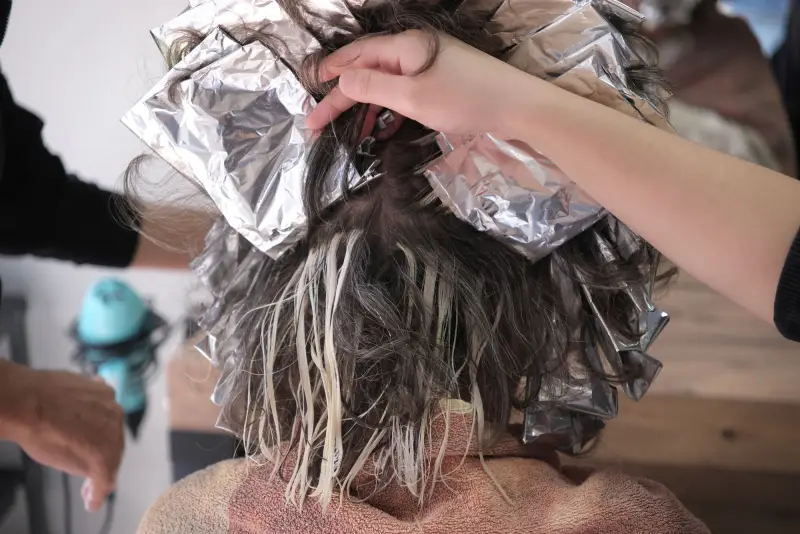
Don't set a timer and walk away. Hair doesn't lift at the same rate everywhere. Sections near the scalp process faster from body heat, and processed hair lifts differently from virgin hair.
If a section is ready early, mist it with water, put a towel behind it and blot off the extra product. That slows the lift on that section without rinsing the whole head. You don't need perfect timing. You need to check.
3. Tone for the canvas, not the end color
Pick toner for the pigment you see after lightening, not for the color the client wants.
Lifted to yellow? Use a violet-based toner, even if the goal is a cool beige. Lifted to orange? Use blue. Ignoring the exposed pigment is the top reason toners surprise you.
4. Flip your application order
The front hairline has the finest hair on the head. It lifts fastest.
Start at the nape, where hair is usually thicker and more resistant, and work up and forward. The back gets a head start and the front gets the shortest time, so the result evens out without rushing.
5. Never skip the strand test on a correction
On a normal color visit, experience lets you predict the result. On a correction you can't. Unknown history, box dye buildup and metallic salts from home color can all react in odd ways.
Take a small section from the most damaged area, apply your formula and process it before you do the full head. Ten minutes of testing can save hours of fixing.